





Cinema’s biggest night leaves traditional television for the first time, ushering in a new era of global, free access starting in 2029
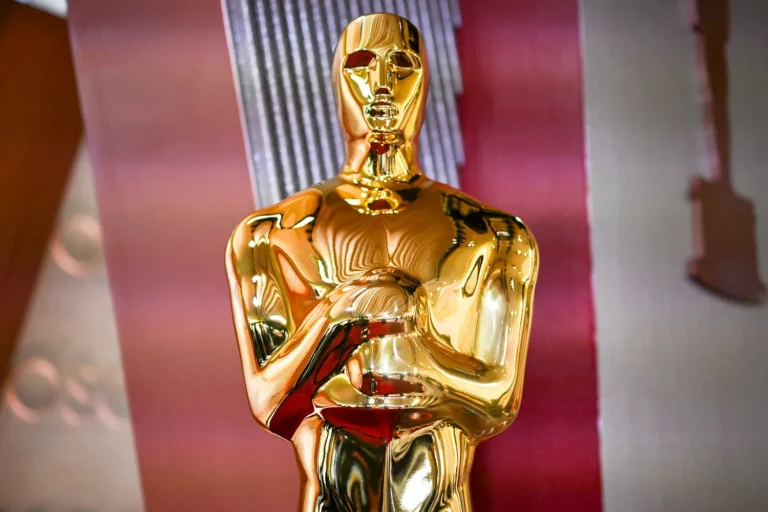
For the first time in its storied history, the Academy Awards are leaving traditional television behind. Beginning with the 101st Oscars ceremony in 2029, cinema’s most prestigious night will stream live and free worldwide on YouTube, marking a landmark shift in how audiences around the globe experience the celebration of film.
The Academy of Motion Picture Arts and Sciences and YouTube announced a multi-year partnership on Wednesday, granting YouTube exclusive global rights to the Oscars through 2033. Under the four-year agreement, viewers will be able to watch not only the awards ceremony itself, but also red carpet coverage, behind-the-scenes moments, and the Governors Ball — all streamed live at no cost. In the United States, the event will also be available to YouTube TV subscribers.
The move represents a dramatic evolution for an institution long tied to broadcast television. It brings to an end the Academy’s more than 50-year relationship with ABC, which has held the rights to the Oscars since 1976. ABC will continue to air the ceremony through 2028, culminating in the historic 100th Oscars, before the baton officially passes to YouTube.
Even more significantly, the decision marks the Oscars’ first departure from traditional television since the ceremony was first broadcast in 1953 on NBC. For decades, the Oscars have been a fixture of linear TV, symbolizing Hollywood’s golden traditions. Now, they are embracing the digital future.
Academy leadership framed the move as both a strategic and cultural evolution. In a joint statement, Academy CEO Bill Kramer and Academy President Lynette Howell Taylor said the partnership reflects the organization’s commitment to accessibility, innovation, and global reach.
“We are thrilled to enter into a multifaceted global partnership with YouTube to be the future home of the Oscars and our year-round Academy programming,” the statement read. “This collaboration will leverage YouTube’s vast reach and infuse the Oscars and other Academy programming with innovative opportunities for engagement while honoring our legacy. We will be able to celebrate cinema, inspire new generations of filmmakers, and provide access to our film history on an unprecedented global scale.”
A key driver behind the move is inclusivity. By streaming on YouTube, the Academy aims to better serve its expanding international audience through features such as closed captioning and multiple language audio tracks, helping remove barriers that have traditionally limited global viewership.
YouTube CEO Neal Mohan echoed that sentiment, emphasizing the cultural importance of the ceremony and the platform’s role in shaping the future of entertainment.
“The Oscars are one of our essential cultural institutions, honoring excellence in storytelling and artistry,” Mohan said. “Partnering with the Academy to bring this celebration of art and entertainment to viewers all over the world will inspire a new generation of creativity and film lovers while staying true to the Oscars’ storied legacy.”
The announcement comes as the Academy continues to adapt to shifting audience habits, declining traditional TV ratings, and the rise of digital-first consumption. While some purists may view the move as the end of an era, others see it as a necessary step to keep the Oscars relevant and accessible in a rapidly changing media landscape.
ABC representatives did not immediately respond to requests for comment following the announcement.
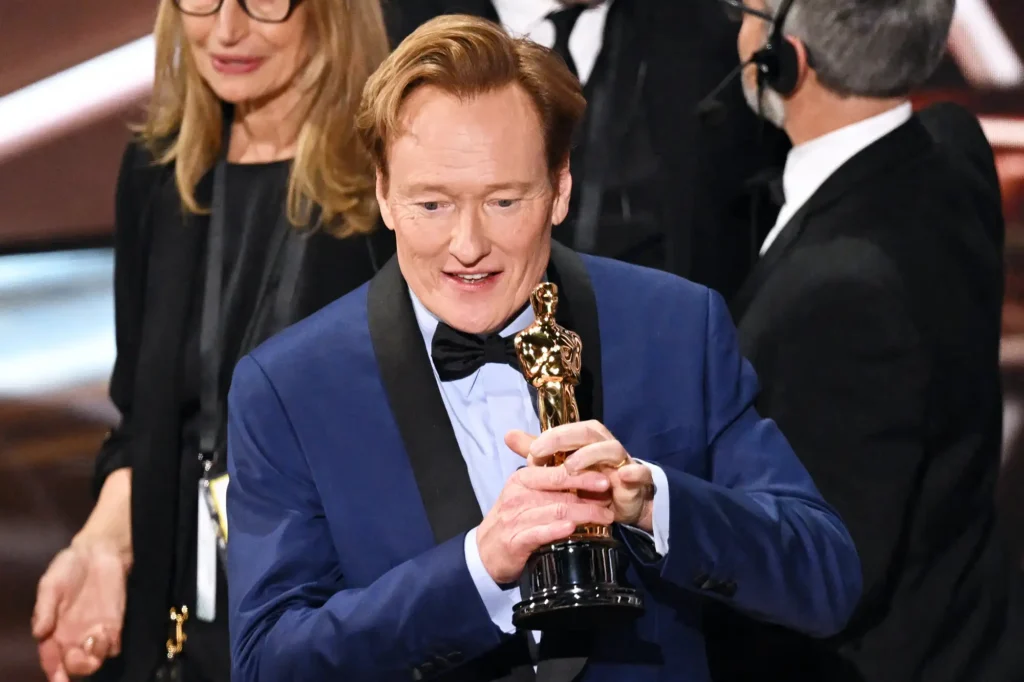
Meanwhile, the ceremony itself continues to evolve. Conan O’Brien, who hosted the 2025 Oscars, is set to return for the 2026 ceremony, maintaining continuity as the Academy navigates this transition period.
As Hollywood approaches the milestone 100th Academy Awards in 2028, the shift to YouTube signals more than just a change in platform — it reflects a reimagining of how cinema’s most celebrated night connects with the world. In breaking with 76 years of broadcast tradition, the Oscars are betting that global accessibility, digital engagement, and a new generation of viewers will define the future of film’s biggest stage.
Adam Smith is an accomplished individual who serves as an chief contributor at Healthify Magazine, a leading publication dedicated to promoting health and wellness. With a passion for empowering individuals to live healthier lives, Adam brings a wealth of knowledge and expertise to his role.